
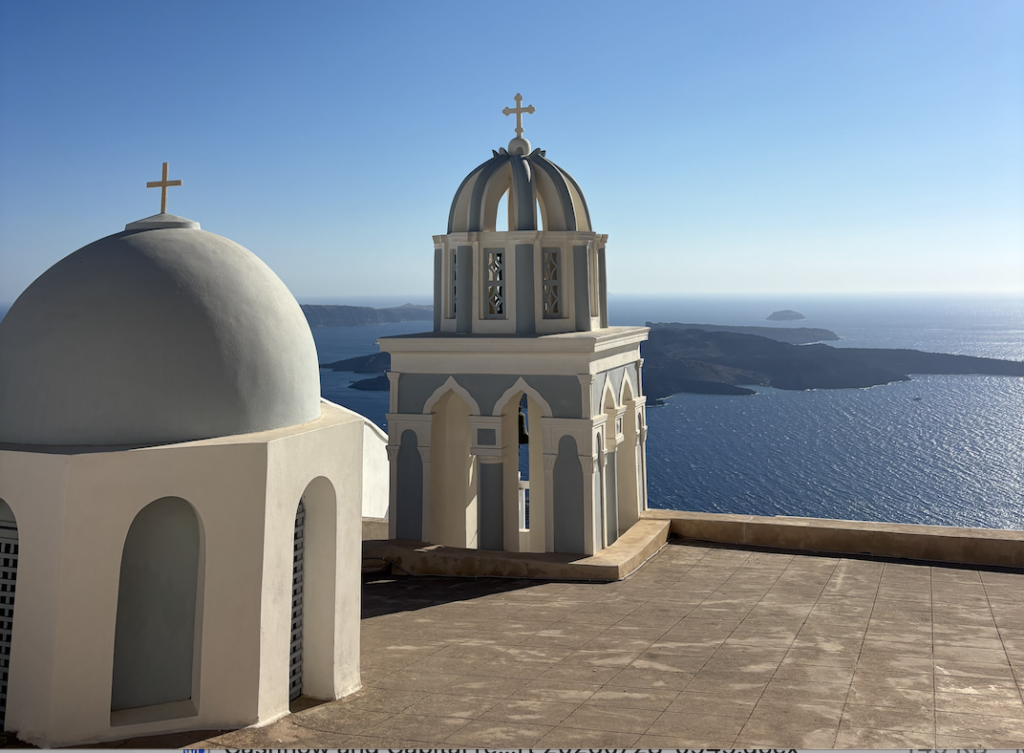
Travelling through Europe was one of the most rewarding experiences I’ve ever had. From hiking the breathtaking cliffs between Fira and Oia in Santorini to exploring the colourful villages of Cinque Terre, the trip was filled with unforgettable moments, incredible food and a few financial lessons that I didn’t expect to learn.
As a financial adviser, people often assume I’d spend my holiday tracking exchange rates or sticking to a strict budget. The reality is quite the opposite.
Good financial planning isn’t about restricting your experiences, it’s about giving yourself the confidence and freedom to enjoy them without unnecessary financial stress.
If you’re planning a European holiday, here are some practical money tips and lessons I learnt along the way that may help you travel smarter.
Always Double Check You’re Using the Official Website
This was a lesson I learnt the expensive way.
When applying for my UK travel authorisation, I unknowingly used a third-party website that looked official. While it wasn’t fraudulent and my application was processed successfully, I paid considerably more than I needed to simply because I hadn’t checked the website carefully.
Whether you’re applying for visas, purchasing attraction tickets or booking accommodation, always verify you’re using the official website before entering your payment details.
A quick check of the web address could save you money and potentially protect you from scams.
Don’t Leave Home Without Travel Insurance
If there’s one expense I would never cut from a travel budget, it’s comprehensive travel insurance.
Many people think travel insurance only covers lost luggage, but depending on your policy it may also provide cover for:
- Overseas medical emergencies
- Flight cancellations and delays
- Lost, delayed or damaged baggage
- Theft of personal belongings
- Rental vehicle excess
- Personal liability in certain situations
Medical treatment overseas can be extremely expensive and unexpected disruptions can quickly turn into costly experiences.
Hopefully you’ll never need to claim but if something does go wrong, you’ll be grateful you planned ahead.
Hiring a Car May Save More Than Just Time
Europe’s rail network is excellent, but it isn’t always the most practical or the most economical option.
Hiring a car gave us the freedom to explore hidden beaches, local wineries, mountain villages and coastal roads that simply weren’t accessible by public transport.
It’s also worth considering that in many regional towns and smaller destinations:
- Uber or Bolt may not be available.
- Taxi services can be limited, particularly in peak season.
- Multiple taxi fares can quickly exceed the cost of hiring a car for the day.
One thing that particularly surprised me was how differently many European destinations operate on Sundays.
Public transport schedules are often reduced, some supermarkets and pharmacies close and smaller towns become much quieter. Having a hire car gave us far greater flexibility rather than planning our day around limited transport options.
If you’re travelling through regions such as Tuscany, the Amalfi Coast, the Greek Islands or other rural areas, compare all your transport options before assuming trains or taxis will be the easiest choice.
Sometimes a hire car isn’t an extra expense, it’s an investment in convenience and experiences you otherwise wouldn’t have.
Some of the Best Experiences Cost Almost Nothing
When paying by card overseas, you’re often asked whether you’d like to pay in Australian dollars or the local currency.
It might feel safer choosing Australian dollars because you immediately know what you’re spending.
However, in most cases selecting the local currency allows your bank or card provider to perform the exchange, which often results in a more competitive exchange rate than the merchant’s conversion.
It seems like a small decision, but over several weeks of travel those savings can really add up.
Eat Where the Locals Eat
One of the easiest ways to stretch your travel budget—and often enjoy better food—is to venture just a few streets away from the major tourist attractions.
Some of our favourite meals came from small family-owned restaurants hidden down side streets rather than restaurants overlooking famous landmarks.
The food was more authentic, the service was warmer and the prices were noticeably lower.
Sometimes the best travel experiences simply require walking an extra five minutes.
Leave Room in Your Budget for the Unexpected
Having a travel budget is important.
Trying to account for every single dollar isn’t.
Some of the best moments happen spontaneously—a boat tour recommended by another traveller, a hidden beach you discover by chance or an unforgettable restaurant you hadn’t planned to visit.
Allowing yourself some financial flexibility means you can say “yes” to these opportunities without worrying about blowing your budget.
A well-planned holiday budget should include room for the unexpected.
Good Financial Planning Starts Before You Leave Home
One of the biggest mistakes travellers make is focusing only on the cost of flights and accommodation.
Before travelling overseas, it’s also worth reviewing:
- Whether your travel insurance provides adequate cover.
- If your passport and travel documents are current.
- Whether your bank charges international transaction or ATM fees.
- The best payment methods for overseas travel.
- Emergency access to funds if something unexpected happens.
- Copies of important documents stored securely online.
- Whether you’ve notified your bank you’ll be travelling.
A little preparation before departure can save significant stress once you’re overseas.
Travelling isn’t about spending the most money, it’s about spending your money intentionally.
With a little planning, you can avoid unnecessary costs, protect yourself from unexpected events and enjoy your holiday knowing your finances are working for you, not against you.
Some of the most memorable parts of my European adventure weren’t the expensive attractions they were the breathtaking walks, hidden local restaurants, conversations with fellow travellers and the freedom to explore without constantly worrying about money.
That’s exactly what good financial planning should do.
It gives you the confidence to make the most of life’s experiences whether that’s travelling through Europe, ticking off a bucket-list destination or simply enjoying time with the people who matter most.
Because at the end of the day, money isn’t the goal.
It’s the tool that helps you create a life full of unforgettable memories.
This article contains general information only and does not take into account your personal objectives, financial situation or needs. Before making any decision regarding insurance, you should consider whether it is appropriate for your circumstances and seek personal financial advice.